
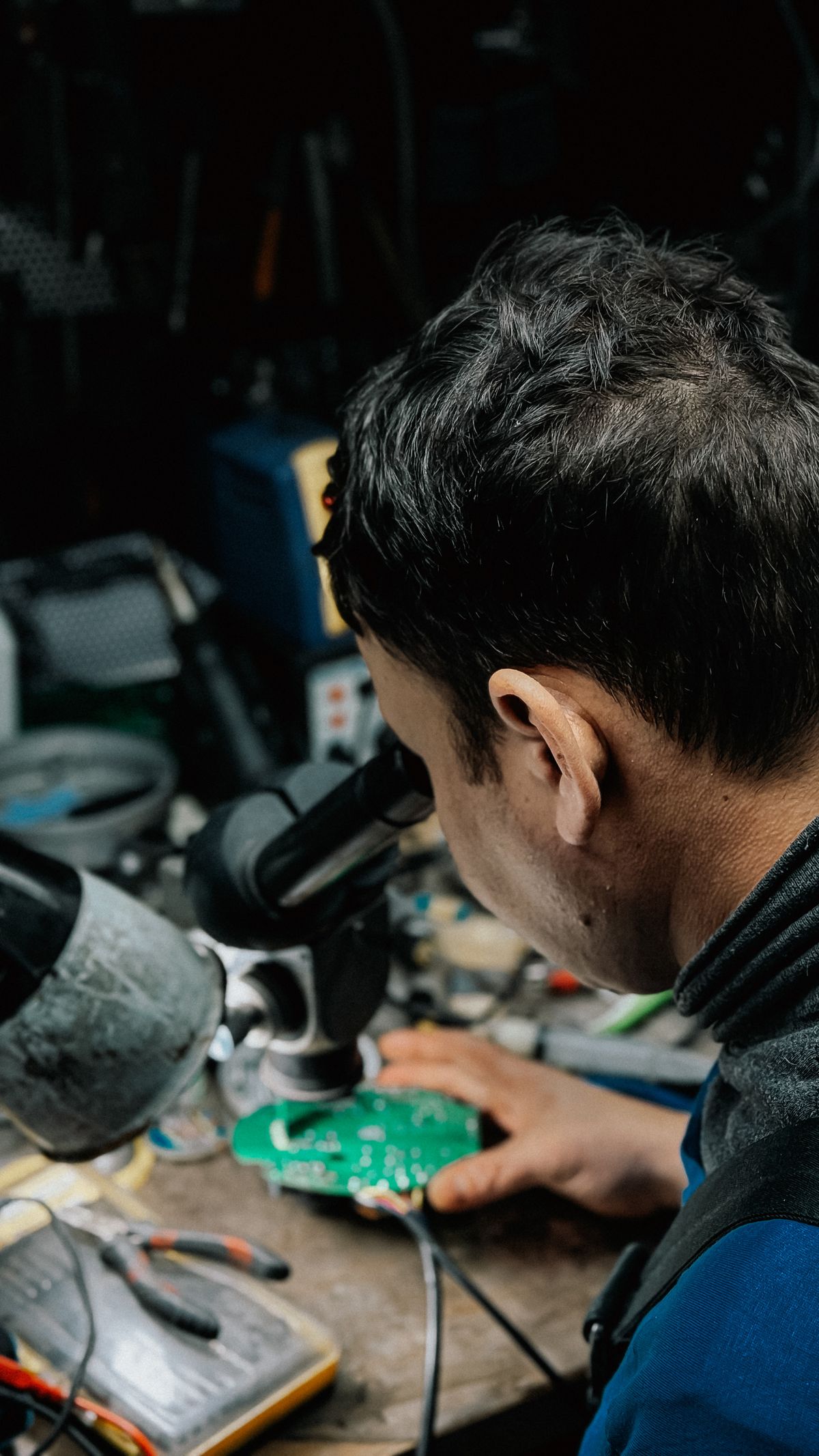
Developing an electronic product is not limited to finding a good idea or designing a working circuit. True success emerges when that idea can be transformed into a reliable, manufacturable, sustainable product that finds a market response. For this reason, electronic R&D processes are a comprehensive journey from the idea stage to mass production that must be carefully managed.
For many companies, the process of developing a new electronic product can be as risky as it is exciting. The product idea may be strong, it may address a real need in the market or solve an existing problem more efficiently. However, if this idea is not properly analyzed, it can lead to wasted time, cost increases and repeated revisions in later stages. This is why a professional R&D approach evaluates both the technical and commercial future of the product together, starting from the very first stage.
Idea Clarification and Product Architecture
The first step of the electronic R&D process is clarifying the idea. At this point, what problem the product will solve, who will use it, under what conditions it will operate and what value it will offer to the customer are determined. Because a successful product is not just a technically functioning system; it is also a solution that benefits the user, inspires confidence in the field and gives the right response to the need.
Once the idea is clear, the general structure of the product is planned. The goal at this stage is to determine how the product will work, what basic features it will have and what use cases it will address. For example, when designing an industrial control board, a communication device, a sensor system or a battery-powered electronic product, the expectations of each are different. While low power consumption is a priority in some products, durability, communication security, long service life or ease of maintenance become more critical in others.
Understanding customer expectations correctly is of great importance in this process. Because the success of the R&D work is measured not just by the engineering team developing the product, but by the product being suitable for the customer's real needs. For this reason, a good electronic R&D firm listens to its customer at the beginning of the process, analyzes the usage area, evaluates possible risks and designs the product not just for today's needs but also thinking about future usage scenarios.
Design and Prototyping
After the product architecture is established, the design process begins. At this stage, hardware, software, mechanical structure, user interface and production requirements are considered together. For an electronic product to be successful, all these areas must progress in harmony. Having the circuit work alone is not sufficient; the product must also fit in the enclosure, be easily assembled, operate stably in the field, be easily understood by the user and be serviceable when needed.
The prototype stage is one of the most critical points where the idea begins to transform into a real product. The first prototype is prepared to see the product's basic operating principles, test design decisions and identify areas for improvement. The goal at this stage is not to directly produce a perfect product; it is to see the product's strengths and weaknesses at an early stage. Every problem detected early prevents major costs before mass production.
After the prototype is produced, the testing process begins. In electronic products, testing does not simply mean confirming that the device turns on and works. How the product behaves under different conditions, whether it remains stable in long-term use, energy consumption, communication performance, resistance to environmental conditions and suitability for user scenarios are all evaluated. With these tests, the product's reliability is increased before it goes to the field.
Validation, Revision and Production Readiness
Based on test results, revisions may be made to the design. This is a natural part of the R&D process. In professional product development, revisions are viewed not as mistakes but as a maturation stage of the product. Every revision is made to make the product more reliable, more manufacturable and more useful. Improvements made at this stage directly affect customer satisfaction and product quality in the future.
One of the most important issues to address in electronic products before mass production is manufacturability. A prototype working does not mean that product is ready for mass production. A product suitable for mass production must be designed with easily sourceable components, reduce the risk of errors during production, be testable and be prepared in a way compatible with quality control processes. This perspective ensures that the product is successful not only in the laboratory but also on the production line.
In the mass production stage, the goal is to produce each unit of the product at the same quality standard. For this, production files, test procedures, software versions, quality control steps and a product tracking system must be properly organized. This way, the history of every device produced can be traced, rapid analysis can be done in the event of a field problem and a sense of trust is built on the customer side.
Planning, Competitive Advantage and Conclusion
When proper planning is not done in the electronic R&D process, costs can rise as the project progresses. A seemingly small design gap at the start can turn into major problems at the mass production stage. For this reason, working with an experienced R&D team in the product development process provides companies not only with technical support but also with time, cost and quality advantages.
From the customer's perspective, a well-managed R&D process means shorter development time, fewer revisions, more controlled costs, a more reliable product and a stronger market position. Especially in highly competitive sectors, bringing the product to market quickly and correctly is of great importance. At this point, the R&D firm becomes not just a solution partner that does design, but a strategic engineering partner that enables the idea to be transformed into a commercial product.
The electronic product development process is an engineering journey that begins with an idea and matures with mass production. In this journey, correct analysis, correct design, correct testing and correct production preparation must be addressed as a whole. A successful product does not emerge by chance; it emerges through a planned, controlled and experience-based R&D process.
In conclusion, electronic R&D processes enable companies to transform their innovative ideas into real, reliable and market-ready products. The correct technical roadmap followed from the idea stage to mass production increases product quality, reduces risks and delivers greater value to the customer. Electronic products developed with a professional R&D approach not only respond to today's needs but also create a solid foundation for future growth and competitive goals.